Whether you’re having friends over for a Saturday night, bringing something to a tailgate, or settling in for a cozy evening at home, a good charcuterie board is one of the easiest ways to make a spread feel special.
The best part? There’s no right or wrong way to build one. Start with a few favorites, add some seasonal flavors, and let the board come together naturally.
Start With the Cheese
Cheese is the foundation of any good charcuterie board, and fall is the perfect time to mix different flavors and textures.
Try pairing:
A creamy Brie or Camembert
A sharp cheddar
A soft goat cheese
A bold blue cheese
A pepper jack or other flavorful favorite
South Point Grocery’s cheese selection includes everything from Southern favorites to international cheeses, giving you plenty of options to mix and match.
Add the Charcuterie
Next comes the meat. Choose two or three varieties with different textures and flavors.
Salami, prosciutto, soppressata and other cured meats all work beautifully on a fall board. Fold or roll the slices to add a little height and make the board feel more abundant.
Bring in the Fall Flavors
This is where your board really starts to feel like fall.
Add seasonal ingredients like:
Sliced apples or pears
Dried cranberries
Figs
Grapes
Candied or roasted nuts
Pumpkin or seasonal fruit preserves
The combination of sweet, salty, creamy and crunchy is what makes a charcuterie board so good.
Don’t Forget the Crunch
Every good board needs something to scoop, spread and snack on.
Add a mix of:
Artisan crackers
Crostini
Pretzels
Sliced baguette
For an extra layer of flavor, add honey, a fruit spread or another favorite condiment.
Make It Your Own
The best charcuterie boards don’t have to be complicated. Choose ingredients you genuinely enjoy, mix different textures and flavors, and don’t worry about making everything perfectly arranged.
Start with the cheese and meat, fill in the empty spaces with fruit and nuts, and finish with crackers and spreads.
And if you’d rather skip the prep altogether, South Point Grocery also offers charcuterie boards as part of its catering selection — making it easy to bring something delicious to your next gathering.
Fall Is Better Around the Table
At the end of the day, a charcuterie board is about more than what’s on it. It’s about having something to share while you catch up, celebrate, watch the game or simply enjoy a fall evening together.
Stop by South Point Grocery and pick up everything you need to build your own board this season.
Whether you’re hosting a crowd, heading to a tailgate, or settling in for a game at home, SPG Silo has plenty of options to make feeding everyone a little easier.
Start with the Main Event
Planning to grill? Head to the meat counter for everything from burgers and steaks to other game-day favorites. Grab what you need to build a meal everyone will actually be excited about.
Keep It Easy
Don’t feel like cooking? Pick up a pizza or something ready-to-enjoy from SPG Silo. It’s an easy option when you’re more focused on the game than what’s happening in the kitchen.
Don’t Forget the Snacks
Every good game-day spread needs snacks. Stock up on chips, dips, cheese, crackers, nuts and other easy-to-grab favorites for guests to snack on throughout the game.
Stock the Fridge
From drinks for the adults to plenty of options for the kids, make sure your fridge is ready before kickoff.
Add Something Extra
Having people over? A fresh arrangement from Flowers for Ellie can be an easy way to dress up the table or add a little something to your hosting setup.
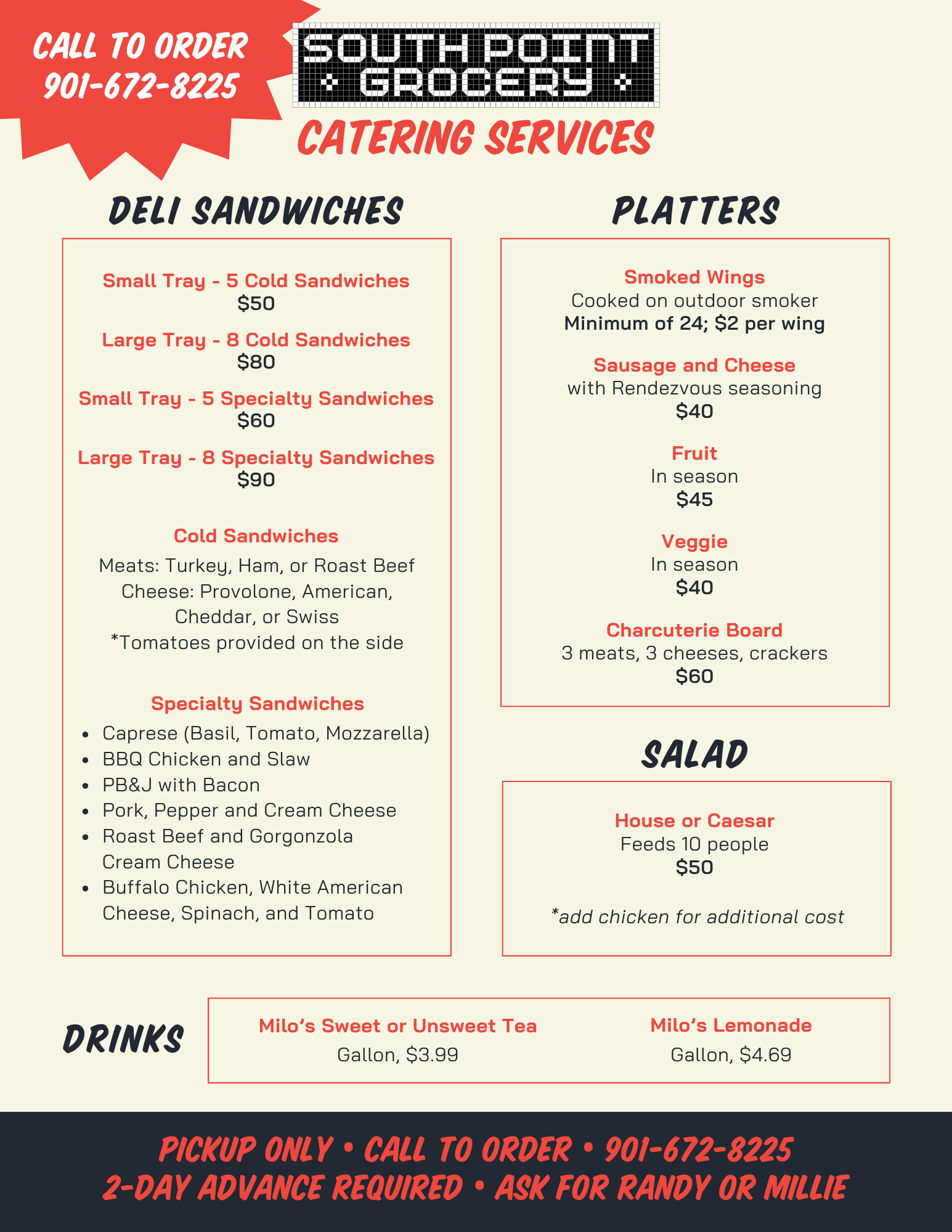
Ordering is easy. Simply call 901-672-8225, place your order at least two days in advance, and your food will be ready for pickup. Ask for Randy or Millie, who will help make sure everything is ready for your event.
Whether you’re planning a business lunch, celebrating a birthday, hosting family for the holidays, or cheering on your favorite team, one thing always brings people together—great food.
That’s why South Point Grocery is excited to introduce its new catering menu, making it easier than ever to serve fresh, flavorful favorites at your next gathering. From handcrafted deli sandwiches to smoked wings, charcuterie boards, and fresh salads, every item is prepared with the same quality ingredients and hometown service you’ve come to expect from South Point Grocery.
Catering Made Simple
Planning an event can be overwhelming, but ordering food shouldn’t be.
Whether you’re feeding five coworkers or a room full of guests, South Point Grocery offers catering options that are perfect for:
Office lunches
Business meetings
Baby and bridal showers
Birthday parties
Graduation celebrations
Church gatherings
Tailgates
Family reunions
Holiday parties
With a variety of sandwich trays, platters, salads, and beverages, you’ll find something to satisfy every guest.
A Menu Designed for Sharing
The heart of the catering menu is its selection of deli sandwich trays. Guests can choose from classic favorites like turkey, ham, and roast beef or elevate their spread with specialty sandwiches featuring combinations like Caprese, BBQ Chicken & Slaw, Buffalo Chicken, and Roast Beef with Gorgonzola Cream Cheese. Available in both small and large trays, they’re perfect for groups of all sizes.
Looking to build the ultimate spread? Pair your sandwiches with one of South Point Grocery’s crowd-pleasing platters.
Choose from:
Slow-smoked wings
Sausage and cheese trays
Seasonal fruit platters
Fresh vegetable trays
Charcuterie boards featuring a variety of meats, cheeses, and crackers
Complete your meal with a fresh House or Caesar salad, and don’t forget a gallon of Milo’s Sweet Tea, Unsweet Tea, or Lemonade to keep everyone refreshed.
Perfect for Every Occasion
The best catering is the kind that lets you spend less time worrying about food and more time enjoying the people around you.
Whether you’re hosting clients in the conference room, planning a casual backyard get-together, or celebrating life’s biggest milestones, South Point Grocery offers convenient catering that’s fresh, delicious, and made with care.
Order Ahead and We’ll Take Care of the Rest
Ordering is easy. Simply call 901-672-8225, place your order at least two days in advance, and your food will be ready for pickup. Ask for Randy or Millie, who will help make sure everything is ready for your event.
Bring People Together with South Point Grocery
Good food has a way of bringing people together, and that’s exactly what South Point Grocery hopes to do with its new catering service. Whether it’s an office lunch, a family celebration, or your next big event, let South Point Grocery help make hosting a little easier—and a whole lot more delicious.
Call today to start planning your next gathering. Your guests will thank you.
Beer, Wings, and a DJ: South Point Grocery Throws a Block Party to Kick Off Brew Hop Week
Memphis, clear your Monday night. On June 15, South Point Grocery is throwing open its lot and patio for a free Brew Hop and Smoke Block Party, and it might be the easiest good time you have all week.
From 5 to 8 PM, the grocery at 136 Webster Avenue turns into one big hangout. Local breweries pouring tastings, wings and hot dogs coming straight off the store smoker, and DJ Alpha Whiskey keeping the music going all night. It is free, it is open to everyone, and you do not have to live Downtown to show up. Just bring your people.
What is going down
The beer: Local breweries from all over the city are setting up to pour tastings, so you can sample your way through Memphis craft beer without driving all over town. You must be 21 or older to sample, and valid ID is required.
The food: Wings and hot dogs fresh off the South Point Grocery smoker. Smoked, hot, and ready while you sip.
The music: DJ Alpha Whiskey on the decks, setting the vibe from 5 to 8.
The prize: Scan the raffle QR code for a chance to win a $25 South Point Grocery gift card.
The price: Free. Open to the public. Come as you are.
The details
When: Monday, June 15, from 5 to 8 PM
Where: South Point Grocery, 136 Webster Avenue, Memphis
Cost: Free to attend, 21 and up to sample beer (bring your ID)
This is the official kickoff to Brew Hop, the week-long festival running June 15 to 21 that sends beer fans hopping between breweries and venues all over town. Start the week here, find the beers you love, then chase the rest of the trail all week.
Bring your crew
Free beer tastings, smoked wings, a DJ, and a shot at a gift card, all in one spot on a Monday evening. Grab your friends, swing by South Point Grocery, and kick off Brew Hop week the right way.
Monday, June 15. 5 to 8 PM. South Point Grocery, 136 Webster Avenue. We will see you there.
When you’re shopping for dinner, the meat department can make all the difference. While many grocery stores rely on pre-packaged products shipped from large distribution centers, South Point Grocery takes a different approach. Our in-house meat program is built around quality, freshness, and personalized service, helping you bring home meals you can feel good about serving your family.
Freshness You Can See
One of the biggest advantages of an in-house meat department is freshness. Because our team handles and prepares products right here in the store, we’re able to maintain a higher level of quality and attention to detail. From hand-cut steaks to freshly prepared specialty items, our meat department is stocked with products that are carefully selected and prepared with our customers in mind.
When you shop our meat counter, you’re not just grabbing a package off a shelf, you’re choosing from products that have been handled by experienced professionals who take pride in their work.
Expert Knowledge at Your Service
Not sure which cut of meat is best for grilling? Wondering how much you need for a family gathering? That’s where our in-house team shines.
Our meat department staff can answer questions, offer cooking suggestions, and help you find the right cut for your recipe or budget. Whether you’re planning a backyard barbecue, a weeknight dinner, or a holiday feast, having knowledgeable team members available makes shopping easier and more enjoyable.
More Variety and Customization
An in-house meat program often means more flexibility. Need a thicker steak? Looking for a specific cut? Want advice on preparing something new? Our team can help.
This level of customization is difficult to find with pre-packaged meat selections. We believe every customer deserves options, and our meat department is designed to provide exactly that.
Quality You Can Trust
At South Point Grocery, we understand that quality matters. Families trust us to provide products they can serve with confidence, and we take that responsibility seriously.
Our commitment to maintaining a strong in-house meat department allows us to closely monitor quality standards while ensuring our customers have access to fresh, dependable products every day.
Supporting a Better Shopping Experience
An in-house meat department is about more than what’s in the case, it’s about creating a better overall shopping experience. From personalized service to expert recommendations and fresh selections, our meat team is here to help make meal planning simpler and more enjoyable.
Visit South Point Grocery Today
The next time you’re shopping, stop by our meat department and see the difference for yourself. Whether you’re picking up ingredients for tonight’s dinner or planning a special occasion meal, our team is ready to help you find exactly what you need.
At South Point Grocery, quality, freshness, and service are always on the menu.
Most people think of fresh Gulf seafood as something you eat on vacation. A beachside shack, a paper basket, maybe some sand between your toes. What they don’t always think about is how that same catch makes its way north, up through Mississippi, and into a grocery case a few miles from home.
At South Point Grocery at Silo Square in Southaven, fresh fish from the Gulf Coast arrives every week. That’s not a marketing phrase. It is just what happens here.
The Gulf Is Closer Than You Think
The Mississippi Gulf Coast sits about 200 miles south of Southaven. That might sound like a long way, but in the world of fresh seafood, that is practically a short drive. Biloxi and Gulfport have been the heart of Gulf seafood processing and distribution for generations, with family-run operations that have been moving product for 50, 70, even 90 years.
When fish comes out of the Gulf and into a distribution chain that knows what it’s doing, it can move from water to a refrigerated case quickly. Cold chain logistics, refrigerated freight, and experienced handlers mean the difference between fish that is genuinely fresh and fish that is just called fresh.
The short distance between the Gulf and North Mississippi matters. It’s part of why South Point Grocery can carry the real thing.
What’s Actually in the Case
This is where it gets fun. The seafood case at South Point Grocery is not a static display of the same five things every week. The variety changes based on what is being caught.
Grouper is a regular. Triple tail, a Gulf species that most people in Southaven don’t see at their usual grocery store, shows up here too. These are not farmed fish or fish that traveled across three time zones. They come out of the warm, shallow waters of the Gulf of Mexico.
The rotation matters because that’s how real fishing works. Seasons shift, catches vary, and the selection reflects what is actually running. If you see something unfamiliar in the case on a given week, that is a good sign, not a weird one. It means the fish is actually from somewhere.
A Little Bit About the Gulf Itself
The Gulf of Mexico produces a significant share of the seafood consumed across the country. Shrimp, grouper, oysters, red snapper, blue crab, triple tail: these species have supported fishing communities along the Gulf Coast for centuries.
Mississippi’s shrimping industry alone is one of the oldest and most established in the country. Brown shrimp, pulled from deeper waters mostly at night, and white shrimp, caught in shallower coastal areas during daylight hours, are two of the most commercially harvested species. Oysters from the Gulf make up a significant portion of domestic oyster supply nationally.
These are not obscure facts. They are just context for understanding why Gulf-sourced seafood carries a certain weight, especially when you are close enough to receive it fresh.
The Journey From Boat to Shelf
Fresh seafood has a tight timeline. The process is built around one priority: speed.
After a boat docks, the catch is sorted, iced, and moved to processing facilities along the coast. From there, it is loaded onto refrigerated trucks and transported to distribution points and retail buyers. The entire cold chain, from the moment the catch hits ice to the moment it arrives in a grocery case, is designed to preserve quality and minimize time.
For fish landing at South Point Grocery in Southaven, the route follows I-55 north through Mississippi. It is a straight shot up from the Coast. The logistics are not glamorous, but they are efficient, and that efficiency is what makes the product worth carrying.
When the delivery arrives each week, the case gets stocked with what came in. That’s it. No mystery, no complicated process. Just fish that was in the Gulf not long ago.
How to Approach the Seafood Case
The best way to use a case like this is to come in with a little flexibility. If you always buy tilapia at a big-box store, that habit makes sense there. At South Point Grocery, the better habit is to look at what is in the case and work from there.
Grouper is mild and holds up well to almost any preparation, from a simple pan sear to a lighter ceviche-style dish. Triple tail is a flaky, white-fleshed fish that grills exceptionally well and is popular along the Gulf Coast precisely because it is so versatile.
If you are not sure what to do with something in the case, the team at the counter can point you in the right direction. That conversation is part of the experience here, and part of what separates a boutique neighborhood grocery from a warehouse store.
Why This Is Worth Knowing
South Point Grocery at Silo Square carries Gulf seafood weekly because the proximity makes it possible and the quality makes it worth it. Southaven does not need to be the kind of place where fresh Gulf fish is a novelty. With the right sourcing and the right commitment, it doesn’t have to be.
The Gulf has been feeding the South for a long time. At Silo Square, it still is.
Most grocery store delis hand you something pre-made and wrapped in plastic. At South Point Kitchen, the sandwich counter works differently. Every sandwich is built to order, pressed or toasted when it calls for it, and made with ingredients that the team has already put real work into before your order even comes in.
That might sound simple. But there’s a process behind it that’s worth knowing about, because it’s what makes the difference between a sandwich that’s just fine and one you come back for.
It Starts Before You Order
A lot of what makes South Point Kitchen sandwiches stand out happens before the counter opens. Several of the spreads, sauces, and toppings on the menu are made in-house, which means the team is prepping them fresh, not pulling them from a jar or a squeeze bottle shipped in from somewhere else.
Take Rick’s Reuben (#3). The Russian dressing on that sandwich is made in-house, and so is the sauerkraut-olive blend layered in with the pastrami and Swiss. Those aren’t details you’d notice by reading a menu description, but you notice them when you eat it. The flavors are more specific, more considered. That’s the point.
The Crackpot (#5) has herb cream cheese made in-house too, spread on a French roll alongside slow cooked pork, banana peppers, French onions, tomato, and Swiss cheese. And the Meatball Deluxe (#10) — house made meatballs, full stop. That’s not a shortcut item. Someone made those.
The Meat Is Worth Talking About
South Point Kitchen proudly features Kretschmar deli meat, a premium deli brand known for clean ingredients and quality cuts — the kind of thing you’d notice if you’ve had enough mediocre deli sandwiches to know the difference.
You’ll taste it in sandwiches like The Grinder (#6), which layers capicola, salami, and pesto with tomato, banana peppers, provolone, vinegar and oil on a French roll. Or The Club (#8), where roast beef, turkey, and bacon come together with tomato, Swiss, spicy mayo, vinegar and oil. The meat quality carries those sandwiches in a way that cheaper cuts simply wouldn’t.
Toasted or Grilled, Not Just Assembled
A French roll that’s been properly toasted holds up to sauce and toppings instead of going soft halfway through. A grilled sandwich develops texture and warmth that you just can’t get from ingredients piled cold on bread. That’s why the kitchen has both a toaster and a grill – to ensure you get the perfect sandwich every time you order.
For something like the Big Cheese (#9) — American, provolone, cheddar, fennel cream cheese, garlic butter, tomato, vinegar and oil on sourdough — the way the bread is finished makes a real difference in how all those cheeses come together. Same with Rick’s Reuben on rye. The grill isn’t just for show.
A Few Worth Trying First
If you’re new to the sandwich counter, here are a few that give you a good feel for what the kitchen does well.
The Heels (#1)
Bacon, provolone, hot sauce peanut butter, strawberry preserves, and roasted jalapeño on a French roll. It’s a combination that sounds like it shouldn’t work and absolutely does. Sweet, spicy, savory — the kind of sandwich people order once on a dare and then keep coming back for on purpose.
Rick’s Reuben (#3)
Pastrami, Swiss, sauerkreaut-olive blend, and house made Russian dressing on rye bread. The housemade components are what set this one apart from a diner Reuben. Everything is more intentional, and you can taste it.
The Crackpot (#5)
Slow cooked pork, banana peppers, French onions, tomato, herb cream cheese, and Swiss on a French roll. The pork is slow cooked, the cream cheese is made in-house, and the whole thing is the kind of sandwich that takes a minute to eat because you’re paying attention to it.
Meatball Deluxe (#10)
House made meatballs, pepperoni, mozzarella, and pesto. The meatballs are made here, which is the whole reason this one is on the list. It’s straightforward and done right.
The Counter Is Worth a Stop
South Point Kitchen isn’t trying to be a restaurant. It’s a sandwich counter inside a neighborhood grocery store, and it operates with the kind of care and consistency that most standalone sandwich shops don’t bother with.
Housemade components, quality deli meat, a full menu of 10 sandwiches and a build-your-own option, toasted and grilled to order. That’s not a coincidence. That’s just how South Point does things.
If you’ve driven through Silo Square and spotted South Point Grocery, you’ve probably wondered what kind of store it is.
The answer is simple. It’s a full-service neighborhood grocery built for everyday life. But once you walk through the doors, you realize it’s more than shelves and checkout lanes. It’s a place designed with intention, shaped by food, and grounded in community.
The Silo Square location carries the same spirit that started in Downtown Memphis. Thoughtful selection. Strong departments. A space that feels comfortable instead of overwhelming.
Here’s what you’ll find inside.
Produce at Peak Freshness
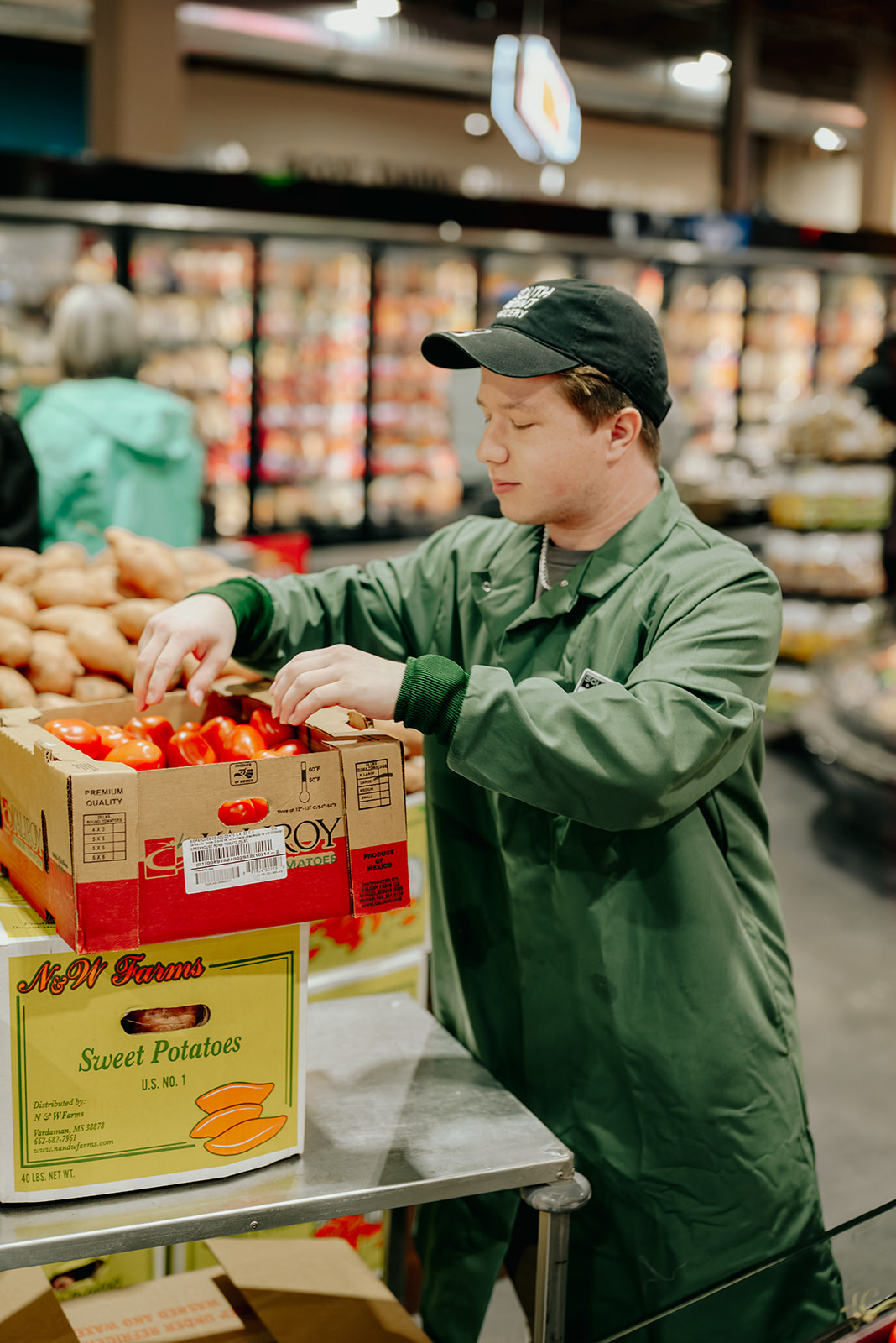
From everyday staples like onions, potatoes, peppers, greens, and tomatoes to seasonal items that shift throughout the year, the produce section is full of colorful fruits and vegetables.
This is where most weekly carts begin. Ingredients for pasta night. Vegetables for roasting. Salad fixings for lunches. It feels practical, but it also feels curated. Nothing overdone. Nothing chaotic.
The produce department makes it easy to build meals from scratch or add something fresh to what you already have planned.
Orange juice is squeezed and poured into individual bottles daily to emphasize peak freshness with no additives. Fruit is cut daily to give you a convenient and fresh grab-and-go selection.
A Full-Service Meat Counter
The meat department is one of the anchors of the store.
Instead of rows of only prepackaged trays, there’s a staffed counter offering quality cuts and everyday proteins. Steaks for grilling. Chicken for weeknight dinners. Ground beef for tacos or chili. Pork for slow cooking.
A full-service meat counter changes how people shop. You can ask questions. You can choose specific cuts. You can build dinner around what looks best that day.
It gives the store a sense of care that feels hands-on.
The Deli: Built Like a Real Sandwich Shop
The deli at South Point Silo has its own identity inside the store.
Led by Chef Josh McLane, the sandwich shop brings a layer of personality that makes people stop in even when groceries are not the main goal.
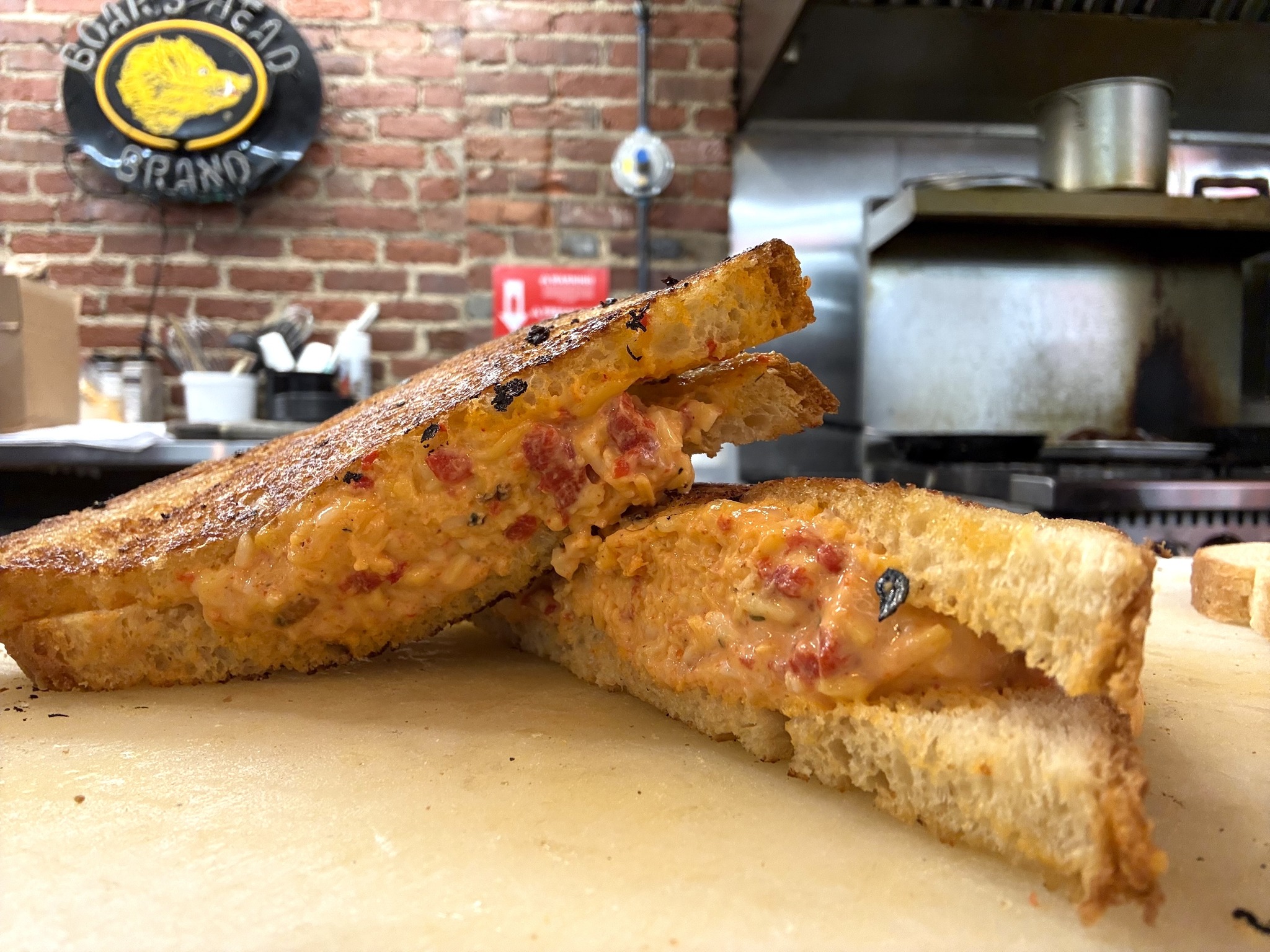
Rick’s Reuben is stacked with pastrami, sauerkraut, and an olive blend, finished with house-made Russian dressing on rye bread. The olive blend adds depth, giving the classic structure a little edge.
The Heels layers bacon, provolone, hot sauce, peanut butter, and strawberry roasted jalapeño preserves onto a French roll. It balances sweet, salty, and heat in a way that feels bold but thoughtful.
The Grinder brings capicola, salami, pesto, tomato, banana peppers, provolone, vinegar, and oil together on a French roll. It’s layered, sharp, and satisfying without feeling heavy.
The bread has texture. The ingredients are deliberate. Each sandwich feels assembled with attention.
Having this kind of deli inside a grocery store shifts the rhythm of the space. Some people come in for lunch and leave with groceries. Others grab ingredients and add a sandwich on the way out. It makes everyday errands more than something to check off your to-do list.
Grocery Essentials That Cover the Week
Beyond the specialty departments, South Point Silo functions as a true full-service grocery store.
You’ll find dairy, eggs, bread, frozen foods, canned goods, snacks, pantry staples, and household essentials. The items that keep kitchens moving throughout the week.
You won’t have to run to the closest big-box grocery store after South Point. It’s possible to shop a full list in one trip. That matters for a neighborhood store. Convenience is part of the design.
The layout feels manageable. Nothing is hidden. Nothing feels excessive. It’s structured in a way that supports both quick stops and full stock-ups.
Beer and Local Products
The beer section adds another layer to the experience.
Local craft options sit alongside familiar favorites. The selection works for casual dinners, porch nights, or small gatherings. It feels thoughtful without feeling overwhelming.
Throughout the store, you’ll also find local products woven into the shelves. Sauces, snacks, specialty items that connect back to the region. Those details tie the Silo Square store to the larger Memphis roots of South Point Grocery.
Grab & Go for Busy Days
Not every visit is planned a week in advance.
Some days call for grab-and-go meals, prepared items, or quick solutions between work and home. South Point makes room for that.
You can stop in for lunch, pick up dinner ingredients, and leave without feeling rushed. The store supports both kinds of days.
A Store That Fits Its Community
South Point Grocery in Silo Square works because it functions as a complete grocery store while still feeling personal. It’s a shopping experience built uniquely for you.
You can build a week’s worth of meals from the produce and meat departments. You can grab a sandwich that feels carefully made. You can pick up pantry essentials, local products, and something to drink for the evening.
It’s steady. It’s intentional. It’s built for the people who shop there regularly.
After a few visits, it stops feeling like a new store in the neighborhood. It starts feeling like part of the routine.
And that’s usually when you know a grocery store has found its place.
When you walk into South Point Grocery in Silo Square, most of the focus is on what you’re picking up for dinner.
Produce for the week. A cut of meat for the grill. A sandwich for lunch.
What often shapes that experience, though, is the work happening in plain view throughout the store. Preparation is part of the environment here. It isn’t hidden away. It becomes part of the rhythm you step into when you walk through the doors.
That rhythm builds trust over time.
Food Prepared in Real Time
Spend a few minutes near the deli counter and you’ll see it.
Sandwiches are assembled as they’re ordered. Bread freshly sliced. Ingredients layered carefully. Sauces spread with intention. Each build has its own pace.
Rick’s Reuben comes together with pastrami, sauerkraut, olive blend, and house-made Russian dressing on rye. The Grinder stacks capicola, salami, pesto, tomato, banana peppers, provolone, vinegar, and oil onto a French roll. The Heels layers bacon, provolone, hot sauce, peanut butter, and strawberry roasted jalapeño preserves in a combination that feels bold but deliberate.
You can watch the ingredients go on. You can see how each sandwich is structured. There’s clarity in that moment. Nothing feels abstract.
The process is part of the experience.
A Counter That Invites Interaction
The meat department carries that same sense of visibility.
Cuts are selected at the counter, weighed, wrapped, and handed directly to customers. There’s a steady exchange between staff and shoppers. Questions get answered. Preferences get discussed. Selections are made with care.
Seeing that interaction reinforces the idea that food is being handled thoughtfully before it reaches your cart. It gives weight to the experience.
The counter becomes a space of engagement rather than just a point of transaction.
Daily Movement Behind the Scenes
Intentional preparation is present at every point of contact.
Produce constantly gets rotated and refreshed. Grab-and-go items are arranged cleanly and consistently. Shelves are stocked with attention to presentation. Labels are clear. Ingredients are listed.
You can trace what you’re buying. The attention to detail makes the store feel maintained rather than static.
There’s a steady movement that keeps everything flowing. It’s subtle, but it shapes the atmosphere.
Transparency as a Philosophy
Transparency doesn’t always announce itself.
Sometimes it shows up through visibility. Through open counters. Through clear ingredient lists. Through food assembled in front of you.
When customers can see how something is made, it adds emotion to the purchase. Familiarity builds gradually. Over time, that familiarity turns into confidence.
At South Point Grocery, preparation isn’t treated like a backstage operation. It lives in the same space as the shopping experience.
Before your food reaches the shelf or the counter, it moves through hands, prep surfaces, and displays that are part of the store’s everyday flow. That visibility creates connection. And connection creates trust.